
Sperm Whale: THE BIODIVERSITY CRISIS
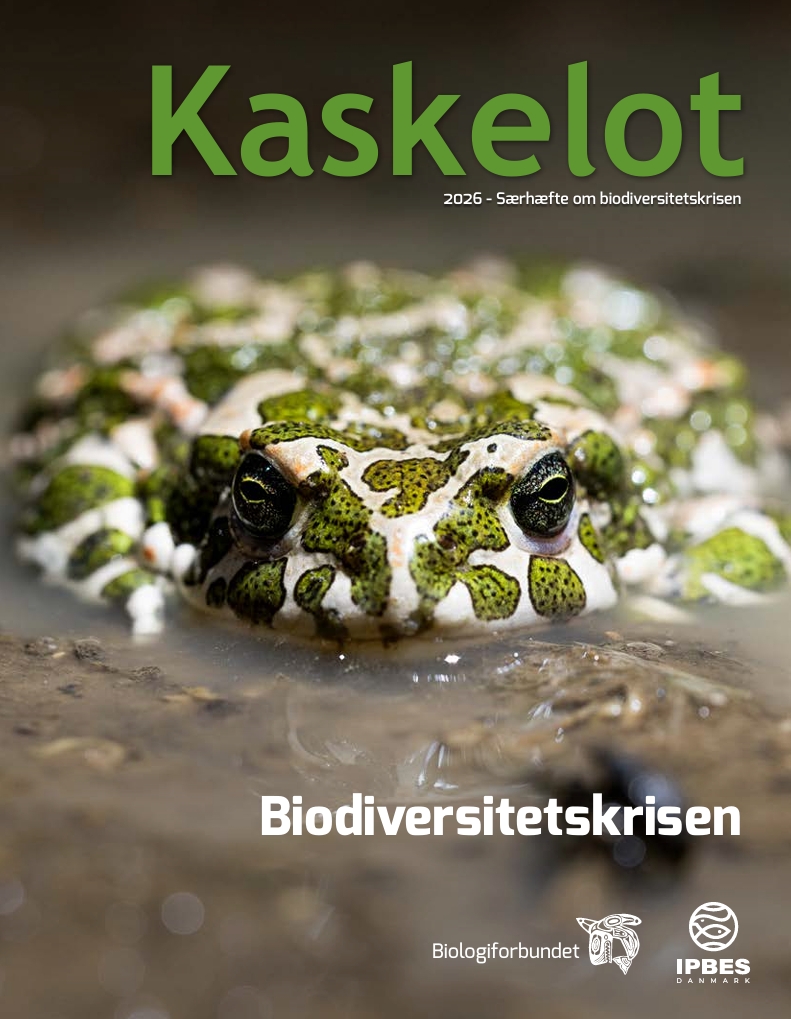
This special issue contains 14 brand-new articles on the biodiversity crisis, each written from a different perspective. The articles are aimed directly at students in grades 7–9 and are written in language that students can read and understand on their own. At the same time, the 14 articles provide an introduction and a good overview of the many dimensions of the biodiversity crisis for anyone else who is interested.
The articles are short, feature illustrations and photos, and each topic is phrased as a question. The topics cover a wide range—here are a few examples:
- Can we survive without nature?
- What are the causes of the biodiversity crisis?
- What is the connection between the climate crisis and the biodiversity crisis?
- What impact do food production and what we eat have on biodiversity?
- Do banks and private companies play a role in the biodiversity crisis?
- Can the biodiversity crisis be reversed?
Each article includes one, two, or three student assignments designed to make the texts more relevant and to help students actively engage with the 14 different questions. Alongside the special issue of Kaskelot, each individual article—with its very own cover—is available for download online, so that teachers, students, and other users can focus on the theme that is of particular interest and relevance to them.
Educational Videos
“Biodiversity—for Elementary Schools”
The video is aimed at students and teachers and provides a very brief introduction to biodiversity and the biodiversity crisis we are facing. At the end, the teaching materials are briefly presented, along with the 15 experts who helped ensure the quality of the materials.
“An Introduction to the Biodiversity Crisis”
The video introduces the biodiversity crisis as explained by one of the country’s leading researchers—Professor Katherine Richardson from the University of Copenhagen. We often talk about the climate, but biodiversity is the foundation of all life—and right now, it’s disappearing at a rate we’ve never seen before. Here, Katherine Richardson explains why nature’s diversity is our most important resource. The video is ideal for use at the beginning of a lesson as an introduction to one or more of the articles.

