New videos aimed at high schools take viewers on a journey around Denmark and the rest of the world to highlight the monitoring of nature in order to gain a better understanding of the state and development of nature, the environment, and biodiversity. The new videos are an addition to the existing educational materials on the biodiversity crisis, which have enjoyed great popularity since their release.
Monitoring nature may sound cryptic, but it is actually an important tool for gathering the necessary knowledge about nature, biodiversity, and ecosystems. The biodiversity crisis has worsened dramatically over the past 30 years, and it is thanks to monitoring that we have this knowledge.
Using the data generated by monitoring, it is possible to track trends in, for example, plant and animal populations over time, as well as to document the condition of ecosystems. This knowledge is crucial for making informed decisions about what actions are needed; it is also necessary for evaluating the effects of existing measures and assessing the overall health of nature—the foundation of life for all of us.
Surveillance on land, at sea, and in the air
The new educational materials, designed for high schools, consist of two videos produced by the production company Naturen I Danmark in collaboration with IPBES Denmark, with funding from the Aage V. Jensen Nature Foundation.
One video serves as a brief introduction to the topic, focusing on international nature monitoring and new nature monitoring methods, while the other, longer video deals with the monitoring of Danish nature. Here, nature and culture guide Nicolai Lysdal Sejrup takes us out into the Danish natural world—on land, at sea, and in the air—to learn more about what is contributing to the biodiversity crisis and why monitoring is such a crucial part of solving it.
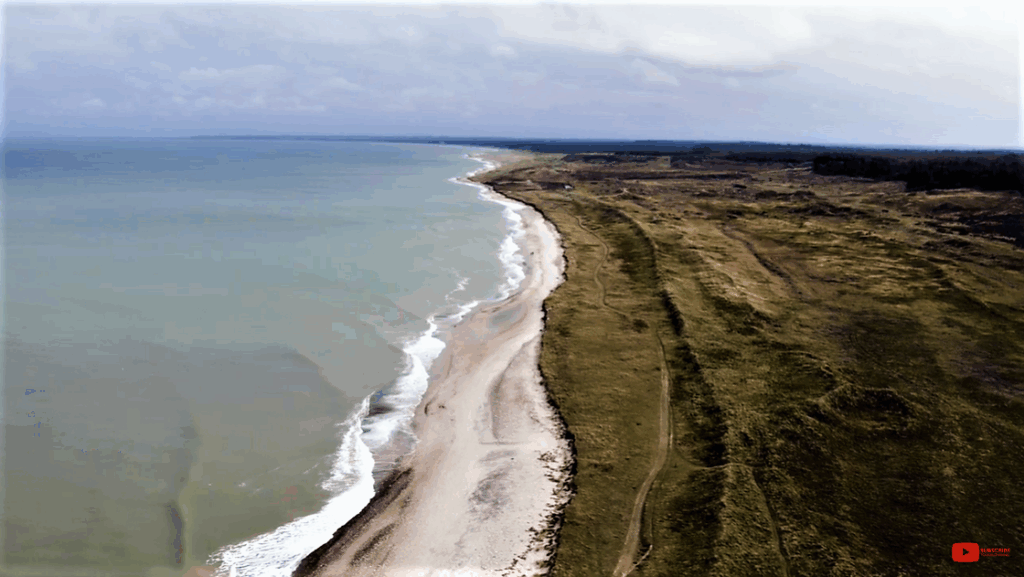
Accompanied by leading researchers, experts, and other professionals, Nicolai visits forests, waterways, and coastlines in the Danish countryside to help high school students—and everyone else—gain a better understanding of the challenges facing nature and biodiversity, and to hear the experts explain how monitoring is part of the solution. The films feature both traditional approaches, such as map-making and manual counts, and new technological methods, including satellite monitoring, drones, and environmental DNA.
Addition to Popular Educational Materials on the Biodiversity Crisis
The videos are the latest addition to the existing educational materials on the biodiversity crisis, which were launched earlier this year and are designed to equip the country’s high school students to explore the topic through an interdisciplinary approach.
The existing materials, which consist of educational workbooks and accompanying introductory videos, have been warmly received since their release, with more than 100 high schools and other schools and institutions downloading the materials, and several thousand students are expected to be taught about the biodiversity crisis using this material.
The two new instructional videos on nature monitoring can be found here:
Educational Materials on the Biodiversity Crisis.
Use the videos in your teaching, or enjoy them for personal use. Have fun!
For more information, please feel free to contact us. Find us here.