
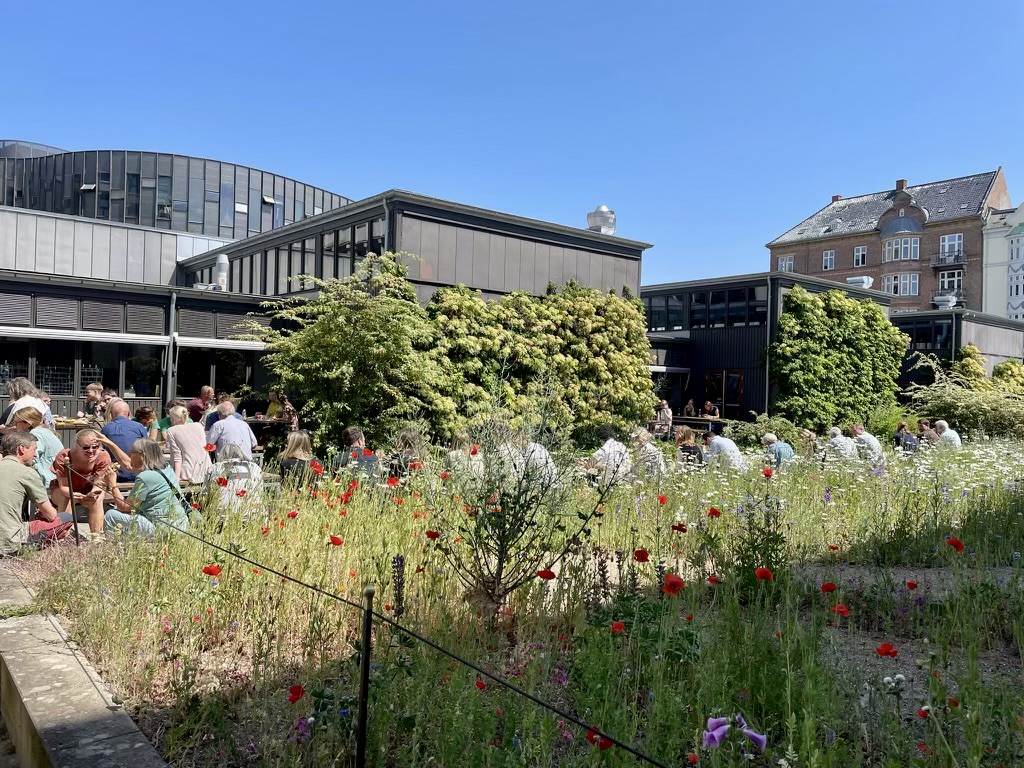
Addressing the global biodiversity crisis will require a fundamental shift in which all aspects of nature and biodiversity are incorporated into decision-making processes. That was one of the key messages when the biodiversity symposium took place in Copenhagen on June 16 with over 100 participants.
Denmark is one of the countries in the world that is furthest from meeting the agreed-upon goals for our natural environment and biodiversity. For example, the new EU targets stipulate that 30% of terrestrial and marine biodiversity must be protected by 2030.
A key reason is the lack of language, methods, and calculation models for the many values of nature and biodiversity, which cannot be quantified solely in kroner and øre—or euros, for that matter. Against this backdrop, the UN Intergovernmental Science-Policy Platform on Biodiversity and Ecosystem Services (IPBES) published the global “Values” report, which presents methods and models for quantifying the economic, social, and environmental values of nature and biodiversity, as well as recommendations for incorporating and implementing them in policy-making processes.
The report’s findings are a step toward the sweeping transformation needed to reverse the biodiversity crisis and achieve the Sustainable Development Goals by 2030, and thus set the stage for next year’s IPBES report on precisely those needs, barriers, and opportunities that will help bring about this change.
Symposium in Copenhagen
Using the Values report as a starting point, the University of Copenhagen organized the symposium “The Value of Biodiversity — Fundamental Changes in Our Relationship with Nature,” which was hosted by IPBES in Denmark with a grant from the 15 June Foundation on Friday, June 16, 2023.
Despite stiff competition from the People’s Meeting on Bornholm, more than 100 guests attended, including researchers, representatives from NGOs, financial institutions, and organizations, as well as several private citizens.
Lise Arleth, Associate Dean of the Faculty of Natural and Life Sciences, emphasized the importance of addressing the biodiversity crisis as she welcomed the guests and introduced them to the symposium’s program. Justine Grønbæk Pors from Copenhagen Business School then presented IPBES in Denmark and handed the floor to the authors of the global IPBES report.
The second half of the program was dedicated to the European Environment Agency and several Danish researchers, including Professor Niels Strange from the Biodiversity Council and Professor Jette Bredahl Jacobsen, a former member of the Climate Council.
Presentation by the authors of the Values report
The program’s keynote speaker was Unai Pascual, a professor at the Basque Center for Climate Change and lead author of the “Values” report on the values of nature and biodiversity. There, he explained, among other things, how the report has been crucial in creating a knowledge-based overview of the many different values that nature provides, and how the report also helps policymakers —and everyone else—in navigating, using a common language, the various methods that can be used to quantify these values.
These key points were supplemented by Mette Termansen, a professor at the University of Copenhagen’s Department of Food and Resource Economics and a co-author of the report, in which she provided an overview of the many methods developed in the research community.
To help the symposium participants better understand the concept of “values” in complex political decision-making processes, Professor Arild Vatn from the Norwegian University of Life Sciences delivered a spectacular presentation on the various frameworks of understanding underlying decision-making processes, including economic and sociocultural ones. This presentation helped emphasize that “values” and decision-making can look very different depending on the context, and that stakeholders should be involved to a much greater extent—for example, by establishing citizens’ assemblies.
Find all the presentations from the symposium here

Photo: IPBES in Denmark.
Input for an Expert Opinion
As part of the symposium, today’s participants were invited to join discussion groups, led by the program’s speakers, with the aim of discussing barriers and courses of action regarding selected policy instruments, such as the elimination of subsidies harmful to biodiversity, the rights of nature, or payments for ecosystem services.
The groups’ extensive input and expert assessments will later be used as inspiration and input for the preparation of an expert opinion on values and biodiversity in a Danish context.
View previous expert opinions here
IPBES in Denmark would like to thank the many participants at the symposium for attending and engaging with the technical content. A big thank you also goes out to the symposium’s presenters.
The next IPBES symposium is expected to take place in the fall of 2023. Stay up to date on our events and activities by signing up for the IPBES in Denmark newsletter here.